Emergency Guide
House Lockout Service in New Jersey
Get back inside your home. Exact price confirmed before dispatch. No damage to your door.
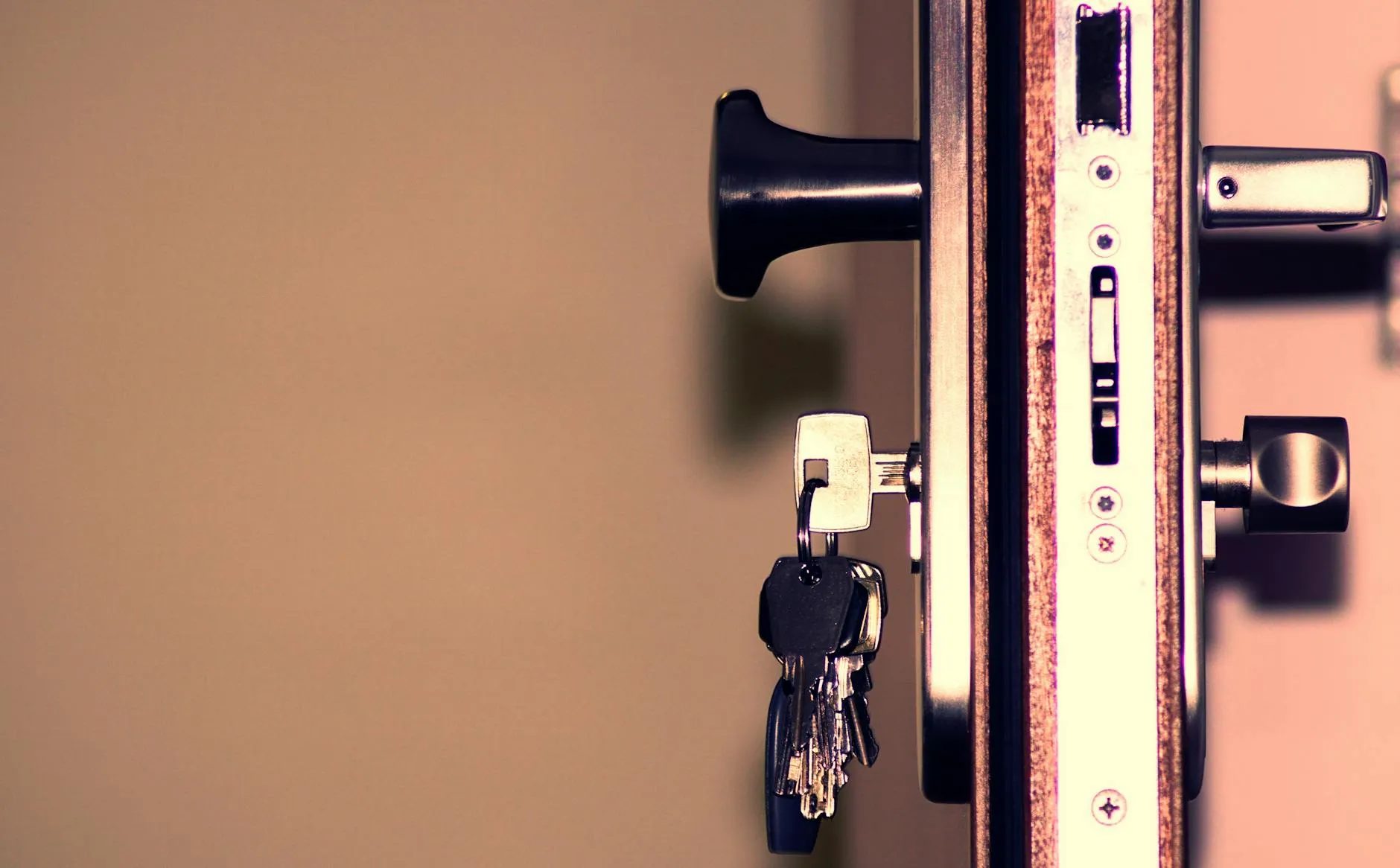
Three Things to Know
- Non-Destructive Entry First
A lock is picked or bypassed without drilling whenever possible, leaving your door hardware completely intact.
- Broken Key Extraction
If a key snapped inside the cylinder, it can be extracted cleanly, with the lock rekeyed or replaced on the same visit.
- On-Site Rekeying
If you want the lock changed after the door is opened, it can be rekeyed or replaced on the spot so old keys no longer work.
The Guide
A house lockout can happen any time. You step outside for a moment, the door swings shut, and you realize your keys are inside. Or the lock just stopped working. Residential lockout requests across all of New Jersey get a firm price quoted before dispatch.
How a Residential Lockout Is Typically Handled
The first step on arrival is examining the lock. Most homes in New Jersey have standard pin-tumbler deadbolts or knob locks. These open quickly with picking tools in the hands of someone who does this work every day.
If the lock has been modified, damaged, or upgraded to a high-security model, the approach changes. Some high-security cylinders have anti-pick pins and require a different technique. A few are only openable by drilling. You should be told which situation applies before anything is touched, with an updated price if the method changes from what was discussed when the request was submitted.
Broken key extraction is a common add-on. Keys break in cold weather, old locks, and worn cylinders. The broken piece is removed with an extractor tool, the cylinder inspected for wear, and rekeyed or replaced depending on condition. A rekey is faster and less expensive than full replacement, and it makes your current lock work with a fresh set of keys.
A broken key is usually a symptom, not the whole problem. Extraction gets the door open; the cylinder inspection that follows tells you whether the lock itself was on its way out.
What Makes a House Lockout Different from Other Calls
Residential calls carry a level of trust that commercial calls do not. A locksmith entering or facilitating entry into someone’s home should take that seriously.
Every technician should verify identity before the job starts, and you should expect the same in return: ask to see photo ID and a license number before you let anyone approach your door. If something feels off, trust that instinct and call to confirm before letting the technician proceed. An extra five minutes spent verifying beats opening the wrong door.
After the door is open, the lock should be checked to confirm it’s in good working order. If the cylinder is worn and likely to fail again soon, that should be flagged. A replacement or rekey can happen on the spot if you want one, or you can go inside and deal with it later; a trustworthy locksmith will not pressure you either way.
Non-destructive entry should be the default on every residential call. Picking the lock beats picking apart the hardware budget.
Preparing to Submit a Request
You do not need to do much beforehand. Have your address ready, describe the lock type if you know it (brand name, whether it has a deadbolt, whether it is a smart lock), and note whether any windows or doors might be unlocked worth checking first.
If you live in an apartment building, know your unit number and be ready to meet the technician at the main entrance. Some buildings require management contact before a locksmith can work; this can be flagged when you submit a request.
Send a request any time. It takes a few minutes, the price is firm, and the technician comes to you.
What the Job Involves
What a Locksmith Will Do
-
Verify before anyone arrives
Look the 34LS license number up at the state portal and agree the full price first.
-
Non-destructive entry first
Picking and bypass tools come before drilling is ever on the table.
-
Document the job
An itemized receipt lists the labor and any hardware installed.
Published Ranges
What This Costs in New Jersey
| Service | Typical NJ range |
|---|---|
| House lockout, non-destructive entry | $75 to $150 |
| Rekey after entry, per cylinder | $25 to $50 |
Ranges reflect typical New Jersey market rates compiled from published industry pricing. Your written quote comes from the locksmith who takes the job, before any work starts.
Weighing the Options
Picking the Lock vs Forcing the Door
Non-destructive entry
- The hardware survives
Picking and bypass open most residential locks with nothing to replace afterward.
- Costs stay in the quoted range
A standard lockout stays in the $75 to $150 band when nothing gets broken.
- Works on most pin-tumbler locks
The common cylinders on NJ doors open without drilling.
Forcing or drilling
- The lock is destroyed
Drilling ends the cylinder, and a replacement gets added to the bill.
- The door and frame are at risk
A kicked door means carpentry costs that dwarf the lockout fee.
- A last resort, not a shortcut
A legitimate locksmith reaches for the drill only when picking genuinely fails.
Ready to get this handled?
$0 to send a request. All 21 New Jersey counties.
Coverage
Where This Applies
Requests are accepted from every part of New Jersey. The location guides add the local detail: building access rules, common hardware, and the conditions that shorten a lock's life.
Emergency Questions, Answered
Frequently Asked Questions
How much does a house lockout cost in New Jersey?
Most standard residential lockouts run between $75 and $150. The price depends on the lock type and time of call. Deadbolts with high-security cylinders cost more to open than basic knob locks. Ask for the exact number before anyone drives out.
Can a door be opened without damaging the lock?
In most cases, yes. Picking and bypass tools leave the lock fully intact. Drilling is typically a last resort, used only when the lock is already damaged, broken, or a high-security model that can't be picked with standard tools.
Do I need to prove I live there?
Yes. Expect to be asked for a photo ID or mail showing your name at that address. This is standard practice that protects you and your neighbors; a locksmith should not open a door for anyone who cannot show reasonable proof of residence.
What if my landlord changed the locks without telling me?
This is a landlord-tenant issue under NJ law. A locksmith can open the lock, but contacting your landlord first, and the local housing authority if needed, is recommended. The job should be documented thoroughly with an itemized receipt.
How is arrival time determined?
It depends on where the nearest available technician is and current traffic in your area. Share your town when you submit a request to get a real-time estimate rather than a fixed promise.
Can a house be rekeyed after moving in?
Yes. Rekeying after moving in is smart and affordable. A standard residential rekey runs $25 to $50 per cylinder, and a whole house can typically be handled in one visit.
Start Here