Finding a Licensed Locksmith in New Brunswick, NJ
A city with constant tenant turnover, which makes key control the real subject here.
Requests are matched to licensed New Jersey locksmiths. Sending one costs nothing and commits you to nothing.
Local Coverage
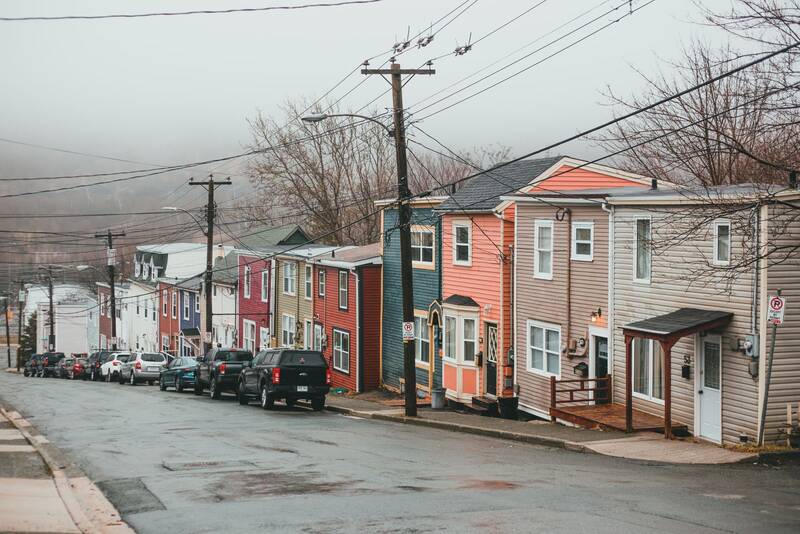
New Brunswick at Street Level
New Brunswick does not really slow down. Rutgers students, hospital staff, restaurant workers, and commuters are moving at all hours, and the housing turns over faster than almost anywhere else in Middlesex County. That turnover is what shapes locksmith work in this city. This page covers rekeying and key control in high-turnover rentals, the hardware you find in the older walkups, how New Jersey licenses locksmiths, and how to send a service request.
Honest Numbers
What Lock Work Runs in New Brunswick
| Service | Typical NJ range |
|---|---|
| House lockout Non-destructive entry, priced before dispatch | $75 to $150 |
| Lock rekeying Per cylinder; whole-home bundles drop the per-lock cost | $40 to $85 |
| Smart lock installation Model and door prep set the price | $150 to $275 |
| Car lockout Proximity-key vehicles sit at the top of the range | $85 to $160 |
Ranges reflect typical New Jersey market rates compiled from published industry pricing. Your written quote comes from the locksmith who takes the job, before any work starts.
Services in New Brunswick
The Work New Brunswick Asks For
-
House Lockout
Locked out of a New Brunswick apartment or rowhome. What non-destructive entry involves.
Read the guide -
Car Lockout
Keys locked in the car on a New Brunswick street or in a garage deck.
Read the guide -
Lock Rekeying
Rekeying a New Brunswick apartment or house after a move or a lost keyring.
Read the guide -
Smart Lock Installation
Fitting a smart lock with landlord and condo board rules in mind.
Read the guide -
Car Key Replacement
A replacement key cut and programmed for most makes and years.
Read the guide -
Commercial Access Control
Fob and keypad entry for New Brunswick storefronts and offices.
Read the guide
Before Anyone Touches Your Locks
Vet Any New Brunswick Locksmith in Three Steps
-
Ask for the 34LS number
Every licensed New Jersey locksmith business holds a license number with the 34LS prefix. Ask for it before anyone heads your way.
-
Check it at the state portal
The Division of Consumer Affairs runs a free public lookup. The number should come back attached to the business name that quoted you.
-
Get the total in writing
One all-in figure covering the trip charge, labor, parts, and any after-hours rate. Before work starts, not at the door.
The Field Guide
The New Brunswick Field Guide
New Brunswick sits at the center of Middlesex County and packs several worlds into a small footprint. The Rutgers campus spreads across College Avenue and beyond, ringed by student housing with older lock hardware under heavy daily wear. Johnson and Johnson anchors the commercial district downtown. Robert Wood Johnson University Hospital and Saint Peter's University Hospital run around the clock. Housing ranges from three-story walkups near Feaster Park to newer mixed-use buildings along the Raritan waterfront, and each of those calls for different hardware and a different approach.
A New Jersey locksmith license number starts with 34LS. If the person quoting you cannot produce one that matches their business name, keep looking.
A City With No Off Hours
New Brunswick does not follow a nine to five schedule. Northeast Corridor trains run before dawn and past midnight. Robert Wood Johnson and Saint Peter’s operate around the clock. The blocks around George Street and Livingston Avenue stay active late. Lock problems here happen on that same schedule, which is why after-hours pricing and after-hours availability are worth asking about specifically rather than assuming.
The city’s geography also splits the work. The French Street corridor, Feaster Park, College Avenue, and the streets near Boyd Park on the Raritan waterfront each carry a different housing profile. Older rental stock near campus tends toward worn cylinders and hardware that has absorbed a decade of heavy use. Newer mixed-use buildings near the train station run modern Grade 2 hardware, sometimes with electronic entry at the lobby and a mechanical cylinder at the unit door.
The Rutgers Rental Belt and the Key Control Problem
The stretch from College Avenue through Easton Avenue is some of the most heavily rented property in central New Jersey, and it has a security problem that owner-occupied housing does not.
Over a single lease year, a campus-area apartment key passes through roommates, subletters, friends, and sometimes a contractor or two. Any of those keys can be duplicated at a hardware store for a few dollars, and nothing records that it happened. By the end of a lease, the number of working keys to a unit is genuinely unknown. That is not a theoretical risk. It is the ordinary condition of a high-turnover rental.
Rekeying at turnover is the standard fix. The cylinder is repinned to a new key combination, every previously cut key stops working, and the lock body, finish, and door prep are untouched. It is fast, it costs less than replacing hardware, and it produces a clean reset.
There are two upgrades worth considering in this belt. Restricted keyways use patented key blanks that a hardware store cannot cut, so casual copying stops being possible at all. Keypad locks remove the physical key from the handoff entirely, which suits properties where roommates change mid-lease, though they add battery maintenance and need a mechanical override for the day the batteries die.
In a campus rental, the honest answer to “how many keys exist for this unit” is usually nobody knows. Rekeying at every turnover is what makes that answer knowable again.
Verifying Identity Before a Door Opens
This is the part of a lockout most people do not expect, and it is a good sign rather than an obstacle.
A locksmith who opens a door on nothing but a request is a danger to every resident of that building. The standard practice is to confirm the person requesting entry has a right to be there. Photo identification matching the address is the simplest proof. A lease, a utility bill, or addressed mail also works. In a managed building, a call to the property manager settles it.
If your identification is inside the locked unit, which is common, that gets worked through rather than waved off. A landlord or property manager confirming your tenancy, or documentation that can be pulled up on a phone, generally resolves it. The point is that the check happens at all. Ask about it before booking, and treat its absence as a warning.
Rekeying Versus Replacing
These are different jobs with different costs, and the choice comes up constantly in this city.
Rekeying changes the internal pin stack so a new key works and the old ones do not. It is the right call when the lock body is in good shape and you simply need the key population reset, which describes most turnovers.
Replacing is the right call when the lock is physically worn, when the grade is too low for the door’s actual traffic, when the door has been damaged, or when you are changing to a different type of lock entirely such as a keypad or smart lock. In multi-unit buildings, replacement also needs to respect whatever master key system is already in place, because a random big-box deadbolt will not accept the building master and quietly breaks the system for facilities staff.
Request a Locksmith in New Brunswick
Use the request form on the contact page. Include the neighborhood, whether the property is a rental, an owner-occupied home, a commercial space, or a vehicle, what the lock is doing right now, and how soon you need it handled. If you rent, say whether a landlord or management company controls the hardware.

Nearby Coverage
Coverage Around New Brunswick
New Brunswick sits inside the Central Jersey region guide, which maps every county and city covered up there.
New Brunswick Questions Answered
Frequently Asked Questions
I rent near campus and I am locked out. Can a locksmith just let me in?
A locksmith will ask you to prove the unit is yours before opening it, and that is the correct behavior. Expect to show photo identification matching the address, a lease, a piece of mail, or in a managed building, confirmation from the property manager. Anyone who opens a door without asking is a risk to every other tenant in that building, including you.
Who authorizes changing the locks on a rented unit?
Usually the owner or the management company, not the tenant. Most leases make the door hardware the landlord's property and require permission before it is changed or rekeyed. If you have a genuine security concern, such as a lost key or a former roommate who still has one, the practical path is to contact the landlord and request a rekey. Emergency entry into your own unit is a separate matter from changing the hardware.
How often should a student rental be rekeyed?
At minimum, at every turnover. Keys to campus-area apartments circulate widely over a lease year among roommates, subletters, and friends, and any one of them can be copied at a hardware store without a record. Rekeying at turnover resets that completely, and it costs far less than replacing hardware. Buildings with heavy churn sometimes move to a keypad lock so the code can change without touching the cylinder.
What determines the cost of a lockout in New Brunswick?
A trip charge, the labor to open the lock, parts if hardware needs replacing, and an after-hours rate for overnight, weekend, and holiday calls. The lock itself matters: worn cylinders in the older College Avenue and Easton Avenue rental stock can take longer to open cleanly than newer hardware. Get a total that names all four components before agreeing to anything.
How do I confirm a New Jersey locksmith license?
Ask for the number and verify it before work starts. New Jersey licenses locksmiths under N.J.S.A. 45:5A-23 et seq. through the Division of Consumer Affairs, and license numbers carry a 34LS prefix. The Division runs a public verification search where you can match the number to the business name that quoted you.
What hardware do downtown New Brunswick commercial buildings use?
Office buildings, retail spaces, and mixed-use developments in the downtown core generally run Grade 1 commercial locksets, high-security cylinders with restricted keyways so keys cannot be casually duplicated, master key systems that let facilities staff reach every door with one key, and electronic access control on main entries. Panic and exit devices on rated doors also have code requirements that residential hardware cannot meet.
Start Here