Service Region
Central Jersey, from Middlesex to Mercer
What each job involves, what New Jersey licensing requires, and how to send a service request.
Requests are matched to licensed New Jersey locksmiths. Sending one costs nothing and commits you to nothing.

Statewide Coverage, Region by Region
Where Central Jersey Sits on the New Jersey Map
This region covers Middlesex, Mercer, Union, Somerset counties. Requests from anywhere in them are matched to licensed New Jersey locksmiths. Pick another region on the map to jump to its guide.
Also covered across the region: Princeton, Westfield, Somerville, Piscataway, Plainfield, and every other municipality in Middlesex, Mercer, Union, Somerset counties.
City Guides
Central Jersey City Guides, Street Level
Each guide is local: the housing stock, the hardware it carries, and what the common jobs involve there.
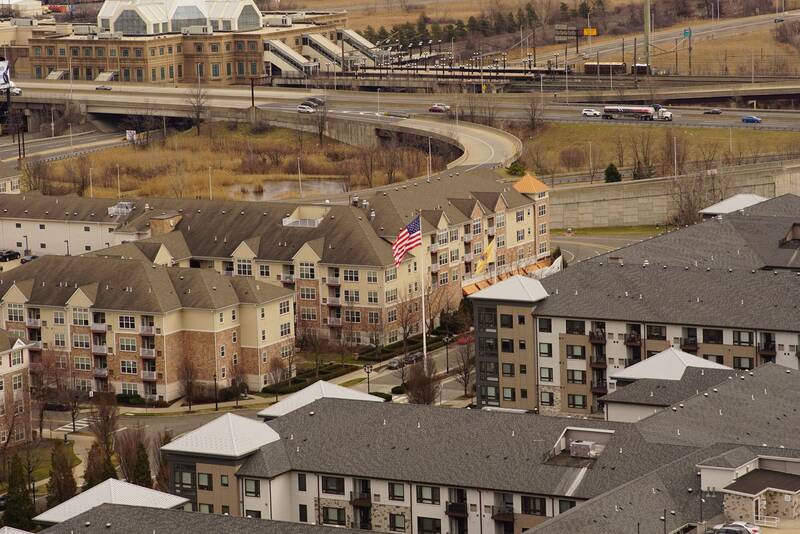 Trenton Mercer County Early 1900s rowhomes, settled frames, and why the door matters as much as the lock.
Read the Trenton guide
Trenton Mercer County Early 1900s rowhomes, settled frames, and why the door matters as much as the lock.
Read the Trenton guide
-
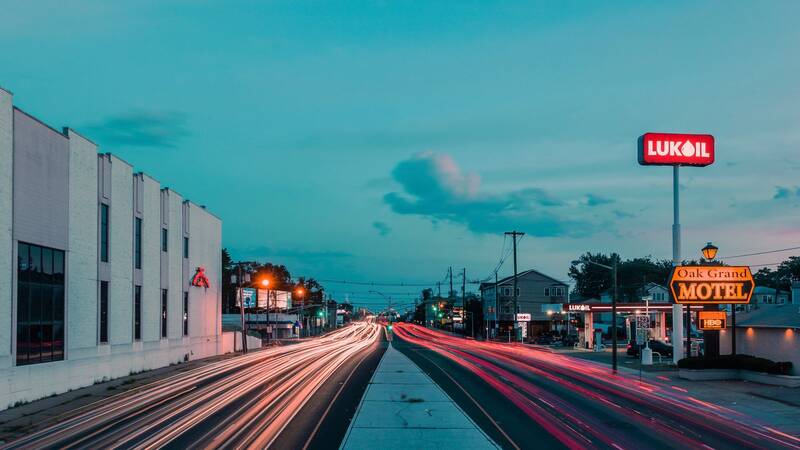 Elizabeth Union County
Read the guide
Elizabeth Union County
Read the guide
-
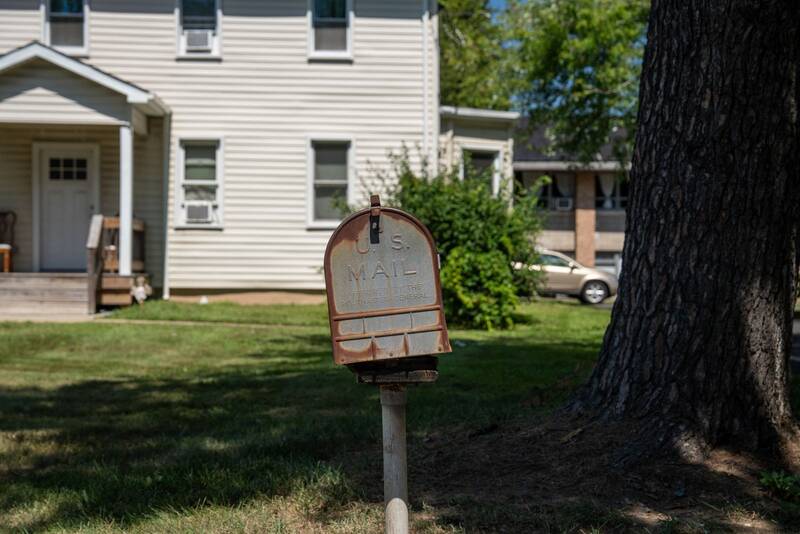 Edison Middlesex County
Read the guide
Edison Middlesex County
Read the guide
-
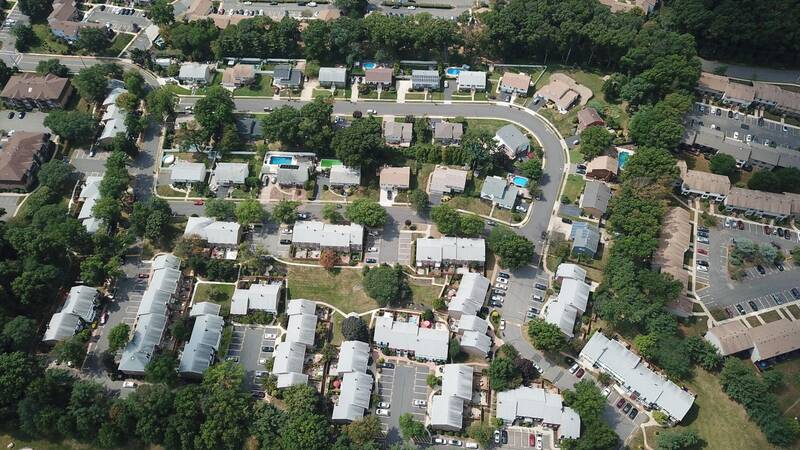 Woodbridge Middlesex County
Read the guide
Woodbridge Middlesex County
Read the guide
-
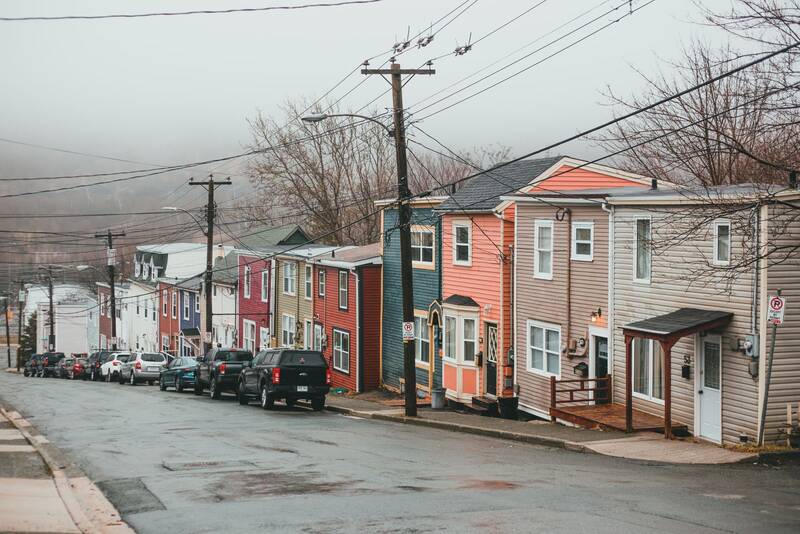 New Brunswick Middlesex County
Read the guide
New Brunswick Middlesex County
Read the guide
Just over the regional line: Jersey City and Newark.
The Lay of the Land
What Lock Work Looks Like in Central Jersey
Central Jersey stretches from the industrial townships of Middlesex County down through the state capital in Mercer and the quieter residential pockets of Somerset. It is a region that mixes old railroad towns, corporate campuses, dense apartment corridors, and large single-family neighborhoods. This page covers the locksmith work those properties actually need, from lockouts and rekeys through commercial access hardware, along with how New Jersey licenses the trade and how locksmith pricing is normally built. When you are ready, use the request form to describe the job.
| Service | Typical NJ range |
|---|---|
| House lockout Non-destructive entry, priced before dispatch | $75 to $150 |
| Car lockout Proximity-key vehicles sit at the top of the range | $85 to $160 |
| Lock rekeying Per cylinder; whole-home bundles drop the per-lock cost | $40 to $85 |
| Deadbolt upgrade Replacing an existing deadbolt with a better grade | $120 to $200 |
Ranges reflect typical New Jersey market rates compiled from published industry pricing. Your written quote comes from the locksmith who takes the job, before any work starts.
Every Service, One Request Form
Locksmith Services Across Central Jersey
-
Emergency Locksmith
Lockouts, break-in repair, and after-hours entry, explained honestly.
Explore the guide -
Residential Locksmith
Rekeying, deadbolts, smart locks, and what each should cost.
Explore the guide -
Commercial Locksmith
Master keys, access control, and code-compliant exit hardware.
Explore the guide -
Automotive Locksmith
Car keys, fobs, transponders, and ignition work.
Explore the guide
Most requested across Central Jersey: House Lockout, Lock Rekeying, Car Key Replacement
The Field Guide
The Central Jersey Field Guide
Middlesex County alone includes communities as different as New Brunswick, Edison, and South Amboy. Mercer County has Trenton and Princeton sitting a few miles apart. Union County runs from Elizabeth near Newark Airport down to quieter towns like Westfield. Somerset adds another layer of suburban and rural mix. Each of those settings puts a different demand on lock hardware, and the right answer for a 1920s mortise lock in Trenton is rarely the right answer for a keypad entry at a Route 1 office park.
Locksmithing in New Jersey is a licensed trade. The license number is public record, starts with 34LS, and checking it takes about a minute.
Locksmith Work Across Middlesex, Mercer, Union, and Somerset
Central Jersey does not have one personality. There are the college towns of New Brunswick and Princeton, the urban density of Elizabeth and Trenton, the corporate park sprawl of Edison and Piscataway, and the quieter boroughs of Somerset County. Each setting puts a different demand on lock hardware.
Older housing stock in places like Plainfield and Westfield often still carries original mortise locks or mid-century cylinders that have gone stiff from decades of weather and wear. Newer construction in South Brunswick and Bridgewater usually runs modern Grade 2 or Grade 3 deadbolts with a standard 1 inch throw bolt, which are simpler to rekey and easier to open without damage. Commercial buildings along the Route 1 corridor lean on keypad and card access hardware, panic bars on rated exit doors, and master key systems that have to survive constant staff turnover.
The service categories that come up most across the region are residential lockouts and rekeying, deadbolt and knob lock installation and replacement, commercial lock upgrades and master key systems, automotive lockouts including transponder and proximity fob programming, and lock repair after a forced entry.
A Plainfield mortise lock, a Bridgewater tract-home deadbolt, and a Route 1 keypad door are three different trades wearing one job title. The right questions start with which of the three is in front of you.
Non-Destructive Entry and When Drilling Is Actually Necessary
A competent locksmith opens a lock without destroying it whenever the lock allows. Single pin picking, raking, and bypass tools handle most residential pin tumbler locks. An under-door tool or a shrum tool can retract a latch on a lever handle without touching the cylinder at all. On a car, the usual approach is an air wedge and a long reach tool through the door gap, or on many late model vehicles, cutting a fresh key from the VIN.
Drilling is a last resort, not a shortcut. It becomes the right call on a short list of real cases: a high-security cylinder with hardened anti-drill pins and no bypass path, a lock already damaged in a break-in attempt, a key snapped deep in a worn plug, or a dead electronic lock with no mechanical override. Anyone reaching for a drill on a standard residential deadbolt in the first few minutes should be able to explain exactly why, because that is a well documented pattern in bait-and-switch complaints.
How New Jersey Licenses Locksmiths
New Jersey regulates locksmiths at the state level. The governing law is N.J.S.A. 45:5A-23 et seq., administered by the Division of Consumer Affairs through the Fire Alarm, Burglar Alarm, and Locksmith Advisory Committee. A licensed New Jersey locksmith holds a state license number that begins with the 34LS prefix.
You can check that number yourself, and it takes about a minute. The Division of Consumer Affairs runs a public license verification search. A legitimate New Jersey locksmith will give you the number without hesitation. Ask for it before work begins, not after, because that single question is the fastest way to separate a licensed local business from an out-of-state call center reselling your job to whoever answers.
Ask for the New Jersey license number before any work starts. It begins with 34LS, and the Division of Consumer Affairs lets anyone verify it in a public search.
How Locksmith Pricing Is Built
Most locksmith invoices in New Jersey are assembled from the same four parts: a service call or trip charge for coming out, labor for the work itself, parts if hardware is replaced, and an after-hours rate when the call lands overnight, on a weekend, or on a holiday. Understanding that structure is most of what protects you.
The bait-and-switch pattern works because the caller only ever hears one number. A voice on the phone quotes something like $39 to open a door, a technician arrives, and the bill lands several hundred dollars higher once the lock is already open and the leverage has shifted. The Division of Consumer Affairs has fielded complaints about that pattern for years, and Central Jersey is not exempt from it.
Before agreeing to anything, get the total in writing or by text, ask which of those four components it covers, and ask what would change it. Then ask what happens if the technician arrives and finds a different lock than the one you described. A locksmith who answers those three questions plainly is usually the one worth booking.
Request Service in Central Jersey
Use the request form on the contact page. Include the town, whether the job is residential, commercial, or automotive, what the lock is doing right now, and how soon you need it handled. Requests from anywhere in Middlesex, Mercer, Union, and Somerset counties are welcome.
Central Jersey Questions Answered
Frequently Asked Questions
Which Central Jersey counties does this site cover?
Middlesex, Mercer, Union, and Somerset. That includes Edison, Woodbridge, Piscataway, South Brunswick, Old Bridge, New Brunswick, Trenton, Princeton, Elizabeth, Westfield, and Somerville, along with every other township and borough in those four counties.
Can rental property locks be rekeyed between tenants in Mercer County?
Yes, and rekeying is usually the better choice over replacement. Rekeying repins the existing cylinder to a new key, so the old tenant's key stops working while the hardware, finish, and door prep stay exactly as they are. Replacement only makes sense when the lock body is worn, the grade is too low for the door, or you want a different keyway. Multiple doors can also be keyed alike so one key runs the whole unit.
How do I check that a New Jersey locksmith is licensed?
Ask for the state license number and verify it before work begins. New Jersey licenses locksmiths under N.J.S.A. 45:5A-23 et seq. through the Division of Consumer Affairs, and license numbers carry a 34LS prefix. The Division runs a public license verification search where you can check the number against the name of the business quoting you.
What should I ask before agreeing to an after-hours locksmith call?
Ask for the total, not the starting price. A New Jersey locksmith invoice is normally built from four parts: a service call or trip charge, labor, parts if hardware is replaced, and an after-hours rate for overnight, weekend, or holiday work. Ask which of those the quoted number includes, and ask what would change it if the lock turns out to be different than you described.
What happens if a locksmith says my lock has to be drilled?
Ask why, and ask what was tried first. Most residential pin tumbler locks can be picked, raked, or bypassed without damage. Drilling is the correct call on a genuine short list: a high-security cylinder with hardened anti-drill pins, a lock already damaged in a break-in attempt, a key snapped deep in a worn plug, or a dead electronic lock with no mechanical override. Drilling proposed within the first few minutes on a standard deadbolt is worth questioning.
What information helps most when I send a service request?
The town, whether it is a home, a business, or a vehicle, what the lock is doing right now, and how soon you need it handled. For a car, add the year, make, and model, and whether you still have a working key. For a business, note how many doors and openings are involved. That detail is what makes an accurate quote possible.
Start Here