Finding a Licensed Locksmith in Trenton, NJ
Early 1900s rowhomes, settled frames, and why the door matters as much as the lock.
Requests are matched to licensed New Jersey locksmiths. Sending one costs nothing and commits you to nothing.
Local Coverage
Trenton at Street Level
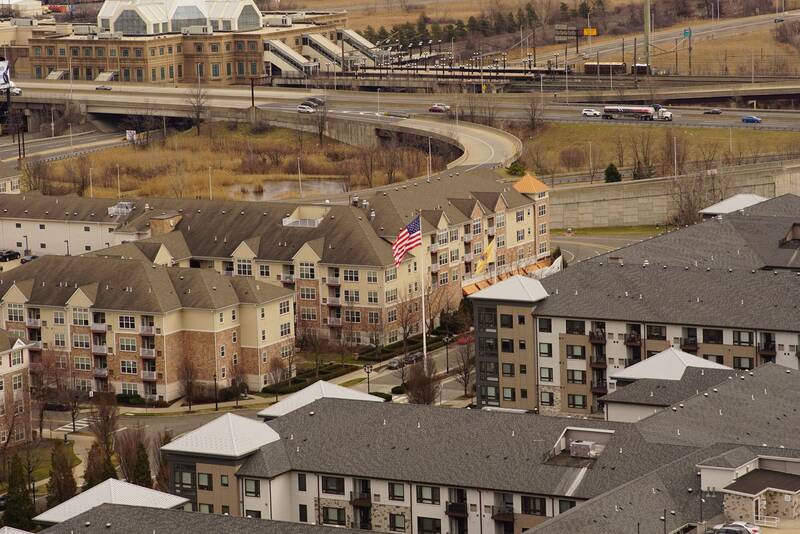
Trenton is the state capital, the Mercer County seat, and a city with a lot of moving parts. Rowhomes in Chambersburg, state office buildings downtown, restored Victorians in Mill Hill, and commercial blocks along Route 1 each present a different security problem. Most of the residential stock is a century old, which means the door and frame are usually as much of the story as the lock itself. This page covers that hardware, how New Jersey licenses locksmiths, and how to send a service request.
Honest Numbers
What Lock Work Runs in Trenton
| Service | Typical NJ range |
|---|---|
| House lockout Non-destructive entry, priced before dispatch | $75 to $150 |
| Lock rekeying Per cylinder; whole-home bundles drop the per-lock cost | $40 to $85 |
| Smart lock installation Model and door prep set the price | $150 to $275 |
| Car lockout Proximity-key vehicles sit at the top of the range | $85 to $160 |
Ranges reflect typical New Jersey market rates compiled from published industry pricing. Your written quote comes from the locksmith who takes the job, before any work starts.
Services in Trenton
The Work Trenton Asks For
-
House Lockout
Locked out of a Trenton apartment or rowhome. What non-destructive entry involves.
Read the guide -
Car Lockout
Keys locked in the car on a Trenton street or in a garage deck.
Read the guide -
Lock Rekeying
Rekeying a Trenton apartment or house after a move or a lost keyring.
Read the guide -
Smart Lock Installation
Fitting a smart lock with landlord and condo board rules in mind.
Read the guide -
Car Key Replacement
A replacement key cut and programmed for most makes and years.
Read the guide -
Commercial Access Control
Fob and keypad entry for Trenton storefronts and offices.
Read the guide
Before Anyone Touches Your Locks
Vet Any Trenton Locksmith in Three Steps
-
Ask for the 34LS number
Every licensed New Jersey locksmith business holds a license number with the 34LS prefix. Ask for it before anyone heads your way.
-
Check it at the state portal
The Division of Consumer Affairs runs a free public lookup. The number should come back attached to the business name that quoted you.
-
Get the total in writing
One all-in figure covering the trip charge, labor, parts, and any after-hours rate. Before work starts, not at the door.
The Field Guide
The Trenton Field Guide
Trenton mixes historic residential blocks, dense downtown corridors near the State House, and commuter traffic through the Trenton Transit Center. The housing runs heavily toward brick rowhomes and older wood-framed houses, many with original cylinder locks that wear out or need rekeying after tenant turnover. Because so much of the stock predates modern door construction, jamb and strike condition matters here more than it does in newer suburbs, and a lock that binds is often a frame that has moved rather than a cylinder that has failed.
A New Jersey locksmith license number starts with 34LS. If the person quoting you cannot produce one that matches their business name, keep looking.
Trenton’s Housing Stock and What It Means for Locks
Trenton has one of the more distinctive housing mixes in central New Jersey. Chambersburg, east of downtown, is dense with brick rowhomes built in the early 1900s. Mill Hill, near the Delaware riverfront, has restored Victorian houses on narrow streets. Wilbur and South Trenton run block after block of wood-framed colonials and cape cods.
Most of that stock carries original or aging hardware. Worn cylinders, sticky deadbolts, and stripped strike plates are the normal findings, along with locks that have never been rekeyed through multiple tenant turnovers. A house built in 1915 may still have its original mortise lock in the front door, a 1970s deadbolt added above it, and a screen door latch that predates both.
The important consequence is that lock problems in Trenton are frequently door problems. A century-old frame has settled, absorbed decades of moisture cycling, and shifted relative to the door it holds. That moves the bolt out of line with the strike, and the symptom shows up at the key.
The Door and the Frame Matter as Much as the Lock
This is the diagnosis most often gotten wrong, and it is cheap to get right.
Open the door fully and turn the key. If the bolt throws smoothly with the door open but binds when the door is closed, the lock is fine and the alignment is wrong. The bolt is catching the edge of the strike plate instead of dropping into the opening. The fixes are ordinary carpentry: filing or repositioning the strike, adding a shim behind a hinge leaf to shift the door in its frame, tightening or replacing long hinge screws that have pulled loose, or repairing a jamb that has swollen or split.
Security depends on the same parts. A deadbolt is only as strong as what the bolt lands in. Builders routinely install strike plates with three quarter inch screws that bite nothing but the thin jamb trim. One solid kick splits that trim and the door opens with the bolt still fully extended and undamaged. Replacing those screws with 3 inch screws that reach the framing stud behind the jamb is one of the highest value security improvements available on an older Trenton door, and it costs almost nothing.
On a hundred-year-old Trenton door, three inch strike screws that reach the stud do more for security than upgrading the deadbolt itself.
Non-Destructive Entry on Aging Hardware
Older cylinders are, in one sense, easier to open without damage. Decades of wear loosen manufacturing tolerances, which makes picking and raking more effective than they are on tight modern hardware.
They also fail in specific ways. Worn pins and weak springs mean a key that has to be lifted, jiggled, or held at an angle to turn. That is a cylinder telling you it is near the end. The dangerous version is a key that has to be forced, because a brass key twisted in a corroded plug snaps, and a broken key extraction on a century-old mortise lock is a considerably larger job than a cylinder replacement would have been.
Drilling remains the last resort. It is genuinely warranted on a high-security cylinder with hardened anti-drill pins, on a lock already damaged in a break-in attempt, on a key snapped deep in a seized plug, or on a dead electronic lock with no mechanical override. Most residential lockouts in Trenton do not require it.
Downtown Trenton, Commercial Hardware, and Access Control
The blocks around the New Jersey State House draw office workers, contractors, and visitors on weekdays. That traffic pattern is what drives the hardware choices downtown.
Commercial doors need Grade 1 locksets built for high cycle counts, because residential hardware pressed into commercial service fails in months rather than years. Rated exit doors need panic hardware that stays code compliant, which is a legal requirement rather than a preference. Where staff, contractors, and visitors all move through the same entries, electronic access control earns its cost by letting a credential be revoked the same day someone leaves, with a record of who opened what and when.
Mechanical master key systems still have a place for interior offices, storage, and utility spaces where turnover is low and an audit trail is not needed. Most downtown buildings end up running both.
Request a Locksmith in Trenton
Use the request form on the contact page. Include the neighborhood, whether the job is residential, commercial, or automotive, what the lock or door is doing right now, and how soon you need it handled. If a key binds only when the door is closed, say so, because that changes the diagnosis before anyone arrives.

Nearby Coverage
Coverage Around Trenton
Trenton sits inside the Central Jersey region guide, which maps every county and city covered up there.
Trenton Questions Answered
Frequently Asked Questions
My key turns hard in the door but fine when the door is open. What is wrong?
That is an alignment problem, not a lock problem. When the bolt does not line up with the strike opening, it drags against the plate and the key feels stiff. In Trenton's older housing that usually comes from a settled frame, swollen wood, or hinges that have sagged. The fix is adjusting the strike, shimming or resetting the hinges, or repairing the jamb. Replacing the cylinder will not solve it, and forcing the key is how keys snap.
What does a residential lockout in Trenton depend on?
The invoice is normally a trip charge, labor, parts if hardware is replaced, and an after-hours rate for overnight, weekend, or holiday work. Lock condition drives the labor here, since a century-old cylinder with worn pins takes longer to open cleanly than modern hardware. Ask for a total that covers all four, and ask what would change it if the lock is different from what you described.
Is rekeying enough after a tenant moves out?
In most cases yes. Rekeying repins the existing cylinder so every previously cut key stops working, and the hardware, finish, and door prep stay exactly as they are. It is faster and less expensive than replacement. Replacement makes sense when the lock body itself is worn out, when the grade is too low for the door, or when the door has been damaged and the hardware is no longer sound.
How do I check that a locksmith is licensed in New Jersey?
Ask for the state license number before work starts. New Jersey licenses locksmiths under N.J.S.A. 45:5A-23 et seq. through the Division of Consumer Affairs, and license numbers carry a 34LS prefix. The Division publishes a license verification search, so you can confirm the number is valid and belongs to the business quoting you.
What does it take to make a car key without the original?
For most vehicles a locksmith can originate a key from the VIN, cut it, and then program the transponder or proximity fob to the car using diagnostic equipment. Whether that works on site depends on the year, make, and model, since some manufacturers require dealer-level access or impose a security waiting period before a new key is accepted. Include what you are driving when you send a request.
What access control fits an office near the State House?
Downtown offices with staff, contractors, and visitors moving through them usually want credentials that can be revoked instantly rather than keys that have to be collected. That points to card or fob readers, or keypad entry with individual codes. The practical advantage is the audit trail and the same-day cutoff when someone leaves. Mechanical master key systems still make sense for interior doors and utility spaces where turnover is low.
Start Here